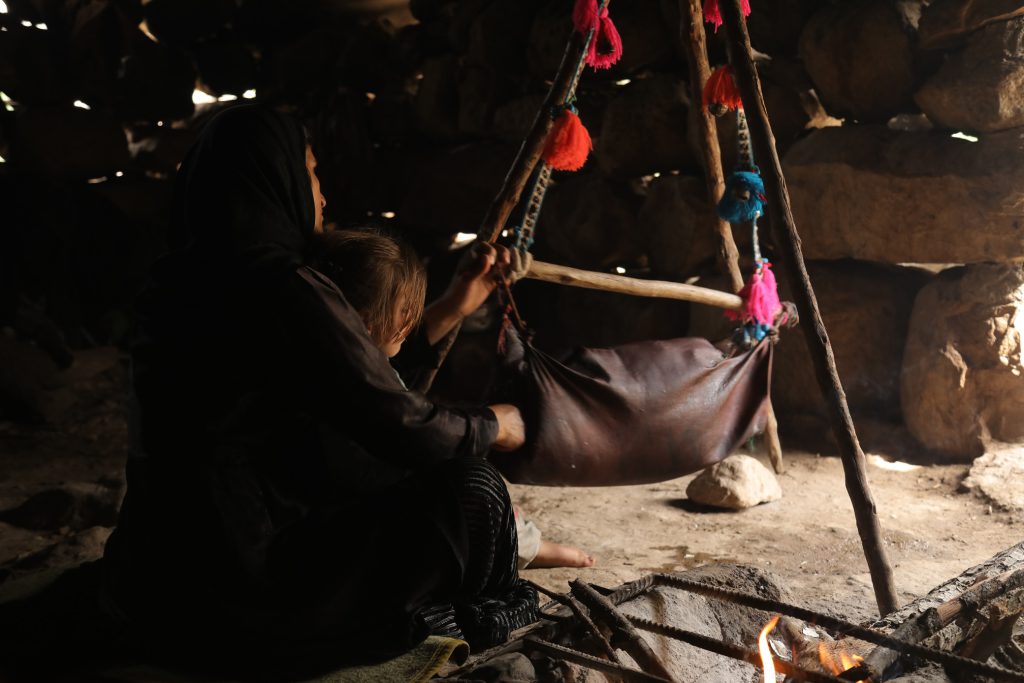
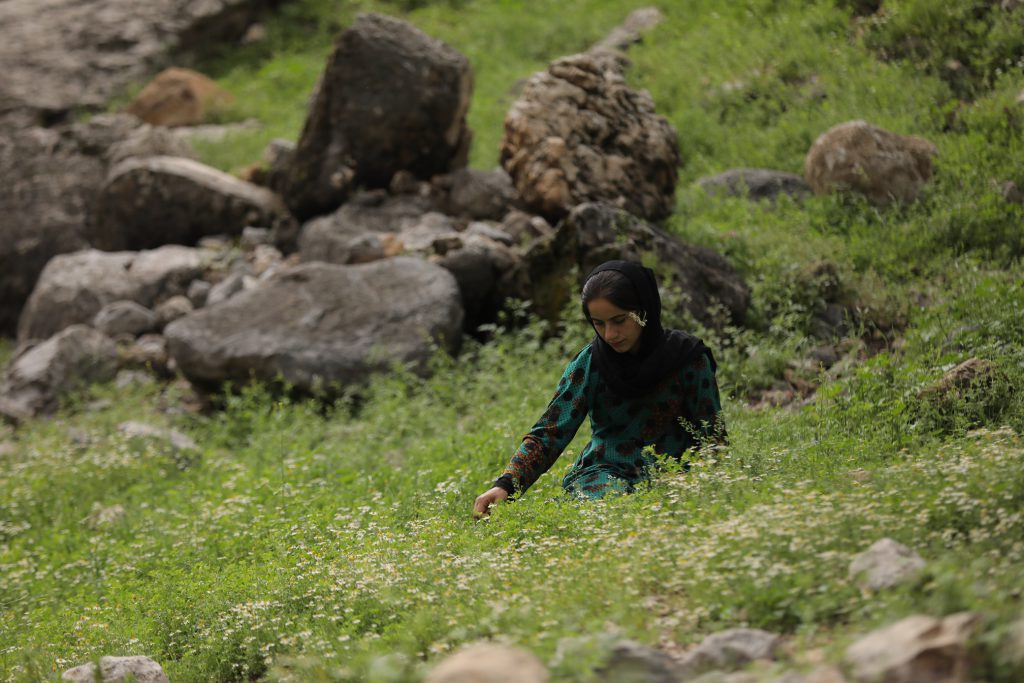

In a large mountain tribal community defined by deep traditions and complex customs, two sisters—Lilifar and Shirin—find their destinies intertwined. On Lilifar’s wedding day, her father, Sattar, unintentionally kills the groom with a gun, setting in motion events that alter both daughters’ futures. Shirin, who has nurtured a strong love for Kaka—the most admired and influential young man of the tribe—now faces a dilemma. An old grudge between their fathers had already delayed their union, and the tragic interruption of her sister’s wedding only introduces new challenges to Shirin’s love for Kaka.
After the killing, Sattar becomes a fugitive in the mountains. Forced to migrate due to seasonal pressures, the tribe must make vital decisions about its direction, livestock, and leadership. Though Sattar is the tribe’s leader, his absence gives Kaka’s father—who has a longstanding rivalry with Sattar—an opportunity to assert himself and permanently block the marriage between Kaka and Shirin. On the very day Kaka plans to propose to Shirin, this rivalry intensifies, driving them further apart and fueling the animosity between the two families.
Still reeling from the shock and grief of the tragedy, Lilifar begins to trust Bamdad, a documentary filmmaker who has been with the tribe since the incident. Bamdad decides to document their lives, drawing closer to Lilifar, who sometimes confides in him about her complex emotions. Bamdad is unsure of Lilifar’s true feelings, and even Lilifar herself cannot discern whether his care for her stems from pity, a filmmaker’s interest, or something deeper. Both remain silent about their emotions, yet Lilifar continues sharing her burdens with him as he quietly captures her story on film.
According to an ancient tribal custom, the slain groom’s family demands a blood price from Sattar, requiring him to give one of his daughters as compensation. Aware that this practice is tantamount to a form of female sacrifice—where the chosen daughter is left without rights—Sattar, as tribal leader, still agrees to send either Shirin or Lilifar to the groom’s family. This decision has a profound impact on everyone, especially Lilifar, who is distraught that her younger sister has been chosen. Shirin, still grieving the loss of Kaka, would be further devastated by such a fate. When Lilifar confronts her father, he explains that Shirin herself volunteered, and he simply confirmed her choice.
Deeply protective of her sister, Lilifar urges Sattar to send her instead, reasoning that she was originally meant to marry into that family and that the circumstances of a “blood price” make little difference in principle. Torn by conflicting emotions and motivated by his boundless love for his daughters, Sattar eventually agrees to Lilifar’s selfless offer. On the day the groom’s family arrives to claim Lilifar, the tribe gathers solemnly. Sattar, seemingly detached in the face of others’ sorrow, takes photographs with his daughters and asks Bamdad for additional candid shots. Many in the tribe rebuke him for bringing such a fate upon his children—a father once criticized for favoring daughters over sons now forces them to pay for his mistake. Yet Sattar remains resolute.
After demonstrating a final display of equestrian skill before Kaka’s father, Sattar, armed with his rifle, rides toward the mountains. Disappearing behind a hill, he ends his life with the same weapon he used on Lilifar’s wedding day. Having spent years striving to secure the best future for his daughters through love and sacrifice, Sattar realizes that taking his own life may free them from further obligations and allow them to determine their own paths. In the aftermath, Lilifar and Shirin—now heirs to their father’s gun—ride forward with steadfast resolve. Lilifar carries her father’s rifle on her back as they push through snowy, treacherous terrain, leading the tribe’s people and herds deeper into the mountains.